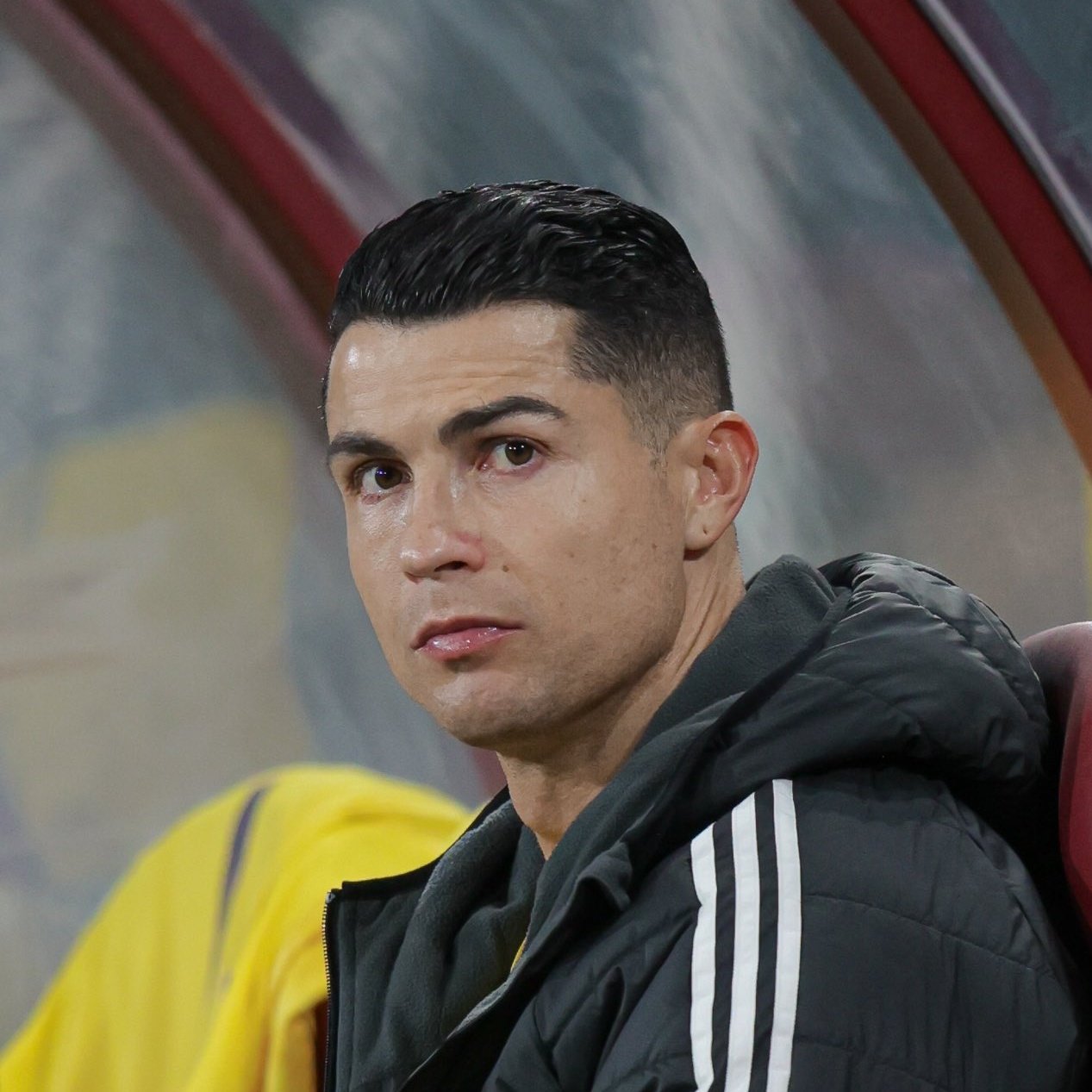
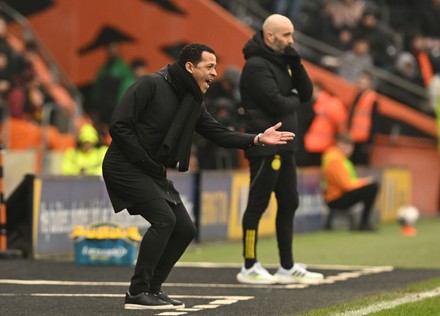
If this club handles Liam Rosenior the same way it handled Enzo Maresca, then we already know how this story ends. Not because Rosenior isn’t good enough but because the environment he’s walking into is built to fail managers.
Maresca’s biggest problem was never tactics. It was control or more accurately, the lack of it.
He was appointed with big promises of a “long-term project,” yet he was never truly given authority over the players he wanted.
- ‘Leadership or lack of control?’ – The truth about Osimhen vs Lookman bust-up
- Sunderland table shocking €80m bid to sign Barcelona star
- How Chelsea players reacted to Enzo Maresca sack
Instead, the sporting directors kept pulling the strings: signing players who fit their own models, selling players to balance books, and reshuffling the squad every single transfer window.
How exactly is a coach supposed to build identity, chemistry, and trust when half the dressing room changes every few months?
Football is not FIFA Career Mode.
Team cohesion cannot be bought in bulk and rebuilt twice a year.
Yet this club treats players like stock assets instead of human beings forming a football team. In, out, in, out every window.
New defenders, new midfielders, new attackers, new systems, new relationships, new mistakes. Then when performances dip, the manager becomes the problem.
That is exactly the trap Rosenior risks falling into.
Rosenior’s coaching philosophy is built on patterns, structure, and collective understanding. That requires stability. It requires a manager knowing his squad, trusting his players, and shaping recruitment around a clear vision.
ut if he’s not given genuine influence over who comes and who goes, he becomes another passenger on a bus being driven by people who never step onto the pitch.
And let’s ask the uncomfortable question:
How long can a club keep rebuilding before it realises it’s actually destroying itself?
Every summer is a “reset.”
Every January is a “correction.”
Every season is “the real project.”
At some point, it stops being a project and starts being chaos.
However, this doesn’t have to repeat itself.
If the club finally learns from Maresca’s experience, gives Rosenior real authority in recruitment, stops treating the transfer window like a trading floor, and commits to continuity then Rosenior could succeed where others were set up to fail.
But if the sporting directors continue to dominate squad decisions while the manager carries the blame, then Rosenior’s tenure won’t be about football at all. It will be about survival.
And we will all sit here months later asking the same tired question:
“Was the manager really the problem… or was the club?”